


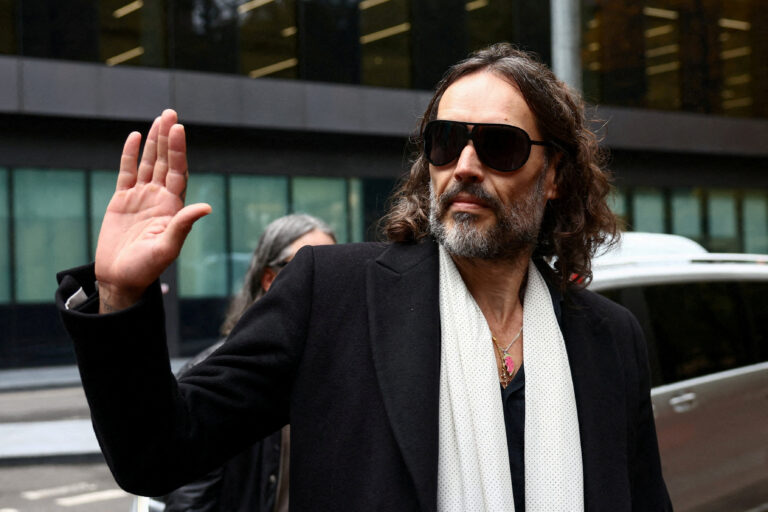
Russell Brand is sentenced to more than 10 years in prison for rape and sexual assault
A jury found him guilty of attacking four of six accusers, with allegations dating back to 2004.
Editor's Note: This story contains descriptions of sexual assault.
LONDON (AP) — Russell Brand was sentenced Monday to 10½ years in prison for raping one woman and sexually assaulting three others at a time when his bawdy behavior was indulged and celebrated during his rise to stardom.
READ MORE: Russell Brand convicted of rape and sexual assault
Judge Joel Bennathan denounced Brand's "casual and arrogant disregard" for any woman who said no to him, and castigated him for the series of lies he told in testimony denying assaults that dated back to 2004.
"About 20 years ago, Russell Brand, you were becoming famous," Bennathan said. "You were clever — and in many people's eyes, funny and charismatic. You had also become a sexual predator."
Brand showed little emotion during the stinging rebuke. He turned to mouth the words "we'll be OK" to his wife after he stood up and was led away by court officers after the hearing.
The 51-year-old actor-comedian, known for outrageous stand-up routines and provocative behavior on television and radio broadcasts, as well as battles with drugs and alcohol, had maintained his innocence and testified that all his encounters were consensual.
But a jury of eight men and four women found him guilty of attacking four of six accusers. He was cleared of two counts of rape and one count of attempted indecent assault.
The convictions — years after the #MeToo movement turned a spotlight on sexual abuse by the powerful and famous — raised questions about how Brand's behavior was tolerated by TV and radio stations he worked for, including the BBC, and those around him.
"Mr. Brand abused the influence and power that came with his fame," prosecutor Riel Karmy-Jones said. "He used it to facilitate access to women without which the offending could not have taken place. It also fed his own view that he could commit such offenses with impunity."
Brand wore a gray suit and an open collar shirt with a loose white tie. His long, graying hair was pulled back and knotted in a man bun atop his head. He clenched a crucifix in his right hand.
Defense lawyer Ian Winter urged the judge to consider Brand's good character, saying his only previous conviction was for marijuana possession in 1995 and that he had performed charitable work and helped others overcome drug and alcohol abuse. He also asked the judge to consider the impact of the sentence on Brand's family, particularly his three young children.
Brand was supported in Southwark Crown Court by his wife, Laura, and his father, Ron Brand. Laura entered the courthouse without Brand, who had been in since custody Thursday's verdict.
A couple of Brand's supporters, reflecting his recent conversion to Christianity, held a banner bearing crosses with the words: "Russell Brand we stand with you. Christ was crucified for telling the truth. Russell is the truth."
The accusers came forward following a 2023 investigation by The Times and Channel 4 that aired accounts from women who said they had been sexually abused and degraded by Brand.
One of the women he was convicted of abusing spoke in court about the trauma the crime caused. The others provided statements read by the prosecutor.
A woman whom Brand groped during a birthday party at a London bar in 2004 said that the assault left her in shock and turmoil and made her feel like "damaged goods."
"It was impossible to escape seeing him all over the media, being celebrated for his disgusting behavior against women like it was all a joke," she said.
READ MORE: Russell Brand denies all charges as he testifies at his rape and sex assault trial
Brand stared straight ahead as she spoke from behind a curtain that shielded her from public view to preserve her identity.
Bennathan said Brand's entourage may have written off the sexual assault as "laddish," the boorish and obnoxious behavior for which Brand was known and with which he thought he could get away.
"It was outrageous and possibly laddish, but also a criminal sexual offense, and as it turns out you haven't got away with it," the judge said.
A former fan he was convicted of anally raping at his home after meeting her backstage at one of his comedy shows in 2009 said that she was left feeling anxious and humiliated and had difficulty eating and sleeping, and went through periods of heavy drinking.
She said she spent months fearing that she might have contracted HIV and that it took years for her to speak up. She only came forward after police opened an investigation following the documentary.
"I felt that if I reported him, I would not be believed," she said in the statement read by Karmy-Jones. "His fame, wealth and influence created a power imbalance which made me feel powerless."
Winter, the defense lawyer, argued that Brand should be "regarded as a man who went too far and overrode consent that had been given" following consensual sex.
The judge noted how disrespectfully Brand had treated the woman, including putting her in his phone contacts under "T" for "tart."
A woman he was convicted of kissing and groping at a London radio station in 2004 or 2005 said it had a lasting impact on her life.
"Since the sexual assault … Russell Brand has managed to move on and even forget," she said. "Over the years, hearing his voice on television, on social media or seeing his image made me jump."
The final conviction was for sexually assaulting a woman who said the comedian demanded a massage and pressed his face into her groin during the recording of an advertisement in 2009.
"Immediately after the incident I spoke up, and sadly it was brushed under the carpet by senior management," she said. "There was a culture at the time which meant I felt I had to just carry on and not talk about it anymore, which meant I did not give myself time to lament on it, boxed it up and pushed it aside."
Brand was acquitted of raping another woman in a hotel room during the Labour Party's annual conference in the seaside town of Bournemouth in 1999, and of attempting to indecently assault a woman by dragging her into the men's bathroom at the London office of music channel MTV.
The Associated Press doesn't name victims of alleged sexual violence, and British law protects their identities from the media for life.
Brand, who was known for edgy stand-up routines and battles with drugs and alcohol, rose to prominence in the early 2000s hosting television programs and his own BBC radio show. He appeared in Hollywood films including "Forgetting Sarah Marshall" and "Get Him to the Greek" and was briefly married to pop star Katy Perry.
In recent years he has moved away from mainstream media, relocated to Florida and built a large online following with videos mixing wellness, conspiracy theories and discussions of his religious devotion.
Sustain our coverage of culture, arts and literature.
A jury found him guilty of attacking four of six accusers, with allegations dating back to 2004.
Salon said there were no immediate plans to take down its online archives, which include three decades of stories from…
D.L. Hughley is one of comedy’s most enduring stars. His new memoir, “Charlie’s Boy,” offers a candid look at fatherhood,…
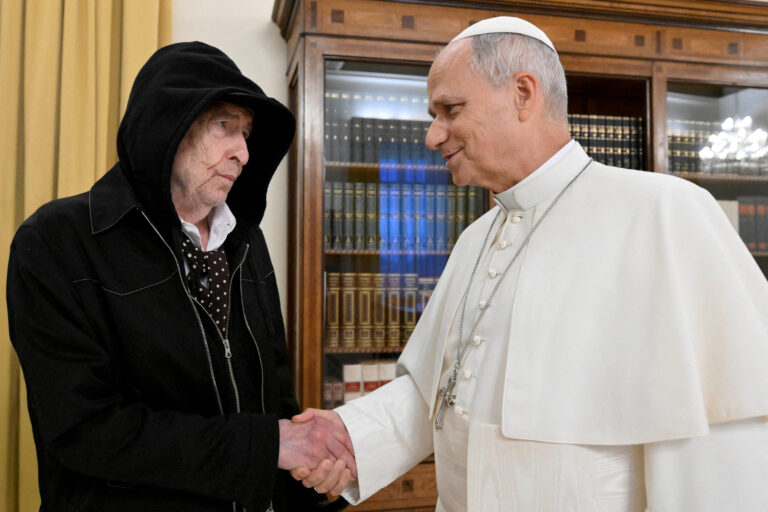
Leo gave Dylan a rosary, while Dylan presented the pope with a copy of his autobiography, "Chronicles: Volume One."

The Kennedy Center has announced that Paul Anka, David Foster, Andy Garcia, David Mamet and Barbara Mandrell will be honored…
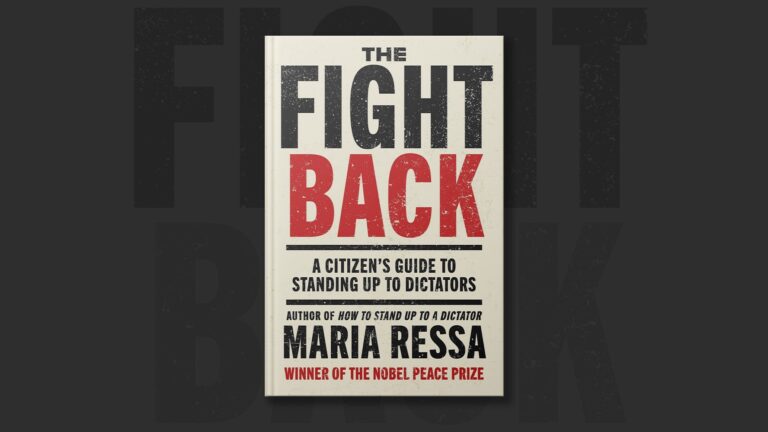
Journalist and Nobel Peace Prize laureate Maria Ressa chronicled her fight against the Duterte regime in the Philippines in her…
Stewart was a classically trained stage actor who scaled the Shakespearean canon and added gravitas to a “Star Trek” franchise…

This year, the 26th president's legacy received a remarkable new tribute: the opening of the Theodore Roosevelt Presidential Library in…
In “Star Trek,” Ensign Chekov was the sole Communist-bloc member of the spaceship Enterprise bridge staff. His friendly, supportive presence…
“You Can See Everything,” the documentary co-directed by Lance Oppenheim and Nathan Fielder, is a breakthrough success. It follows Elizabeth…

An acclaimed novel comes to life as a new opera, exploring a deeply personal side of one of America's most…
You may not know the name Sasha Alex Sloan, but chances are you've heard her work. She's become one of…
Applegate revealed that despite the misdiagnosis, she still has “every symptom of someone with MS,” adding, “I still have to…
As cultural institutions across the country face growing pressure to avoid issues of race, a major new exhibition is confronting…
Film critic Ann Hornaday has died. As chief film critic for The Washington Post, she was a respected and passionate…